
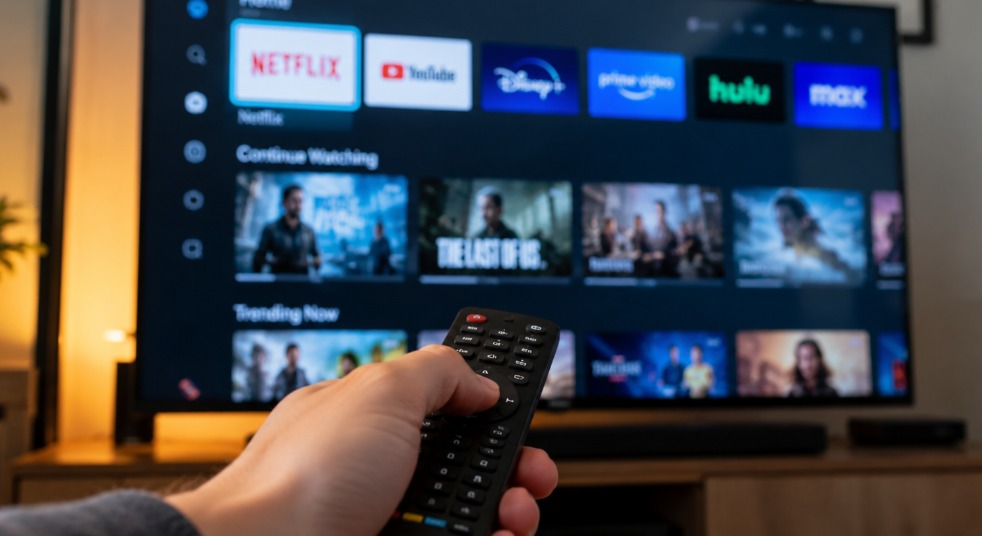
Smart TVs were designed to make entertainment more convenient, but their increasingly complicated interfaces, built-in advertisements, and data collection practices are prompting some consumers to reconsider what they want from a television. A growing number of technology enthusiasts are now using artificial intelligence tools to simplify their smart TVs, removing unwanted software and restoring basic functionality.
The trend highlights a broader shift in consumer attitudes toward connected devices, as users seek greater control over the technology they own.
AI Tools Are Helping Users Remove Unwanted Smart TV Features
Modern smart televisions offer streaming applications, internet connectivity, personalized recommendations, and access to numerous entertainment platforms. However, these features often come with crowded home screens, complicated navigation systems, and software that users may never need.
According to an October 19, 2026, report from TechCrunch, some consumers are using AI-assisted programming tools to develop alternative interfaces that eliminate unnecessary features.
AI coding assistants, including Anthropic’s Claude, can help users create custom launchers that replace manufacturer-designed home screens with simpler alternatives.
These interfaces can prioritize essential functions, including streaming applications and HDMI connections, while reducing promotional content and other unwanted elements.
The DumbTV Project Focuses on Essential Features
One example is an open-source project called DumbTV, which aims to restore a more straightforward television experience.
The project’s developer describes its purpose with a simple statement:
“Your TV should do what you paid for.”
The developer emphasizes access to applications and HDMI inputs without additional distractions.
Although these features remain part of the smart TV ecosystem, the approach gives consumers more control over how they interact with their devices.
Rather than navigating multiple recommendation panels and promotional sections, users can access the functions they actually need.
Smart TV Advertising and Preinstalled Software Drive Consumer Frustration
One of the biggest complaints surrounding modern smart TVs involves the growing presence of advertisements and preinstalled applications.
Manufacturers increasingly incorporate sponsored content, recommendations, and promotional placements into television interfaces.
Some advertisements appear directly on home screens, meaning viewers may encounter marketing messages before opening their preferred streaming services.
A separate project, CleanYourTV, demonstrates how AI-assisted development can help address these concerns.
Its creator described modifying a family television after discovering that sponsored advertising appeared before users could access Netflix.
The developer reported removing 25 Xiaomi software packages and creating a replacement launcher to simplify the television’s interface.
The example illustrates how consumers with technical knowledge can use AI coding tools to customize connected devices that otherwise offer limited control over their software.
AI-Assisted Device Modification Extends Beyond Televisions
The movement is not limited to smart TVs.
Technology publication 404 Media has documented how individuals are using AI-assisted reverse engineering to modify various consumer electronics.
These efforts include attempts to restore functionality to connected fitness mirrors by replacing their original software.
Such projects reflect growing interest in extending the useful life of hardware and reducing dependence on manufacturer-controlled platforms.
However, modifying device software can introduce compatibility problems, disable certain features, or create security vulnerabilities if changes are not implemented carefully.
Smart TV Privacy Concerns Add to Growing Scrutiny
Beyond advertising and complicated interfaces, privacy remains another significant concern for connected television owners.
Many smart TVs include technologies that collect information about viewing habits, application usage, and device interactions.
Some manufacturers use automatic content recognition technology to identify what appears on television screens and generate viewing-related data.
Depending on the manufacturer, device settings, and applicable privacy policies, this information may support advertising personalization, audience measurement, and content recommendations.
Consumers can often adjust certain privacy settings, although the available controls differ among television brands.
Security researchers have also identified vulnerabilities affecting connected devices, underscoring the importance of software updates and network security.
These concerns have encouraged some users to seek alternative interfaces that reduce unnecessary software and limit unwanted background activity.
Advertising Revenue Helps Explain Why Smart TVs Have Become More Complicated
The economics of television manufacturing help explain why advertisements and data-driven services have become increasingly common.
During a 2019 interview with The Verge, Vizio executives discussed how revenue from advertising and connected television services contributes to the company’s business model.
This approach allows manufacturers to generate income beyond the initial hardware purchase.
For consumers, the arrangement can help support competitive television prices. However, it also creates incentives for manufacturers to promote advertising services and maintain ongoing relationships with viewers through connected platforms.
Consumers Face a Trade-Off Between Convenience and Control
The shift toward advertising-supported television software presents a challenge for manufacturers.
Streaming integration, voice assistants, and personalized recommendations can provide genuine convenience, but consumers may not welcome every additional feature.
Alternative launchers and software customization projects demonstrate demand for interfaces that prioritize usability over promotional content.
The growing accessibility of AI coding assistants may also make it easier for technically inclined consumers to experiment with their devices, although not every television supports the same level of customization.
The Future of Smart TVs May Depend on Simpler User Experiences
The emerging movement to make smart TVs less complicated reflects a wider debate about consumer ownership, digital privacy, and the growing commercialization of connected devices.
As manufacturers continue expanding software-based services, some television owners are turning to AI-assisted tools to regain control over their screens.
For these consumers, the ideal television is not necessarily one with more applications or intelligent features. It is one that provides straightforward access to entertainment without unnecessary advertisements, complicated menus, or unwanted distractions.

William Faulkner is a contributor to Columbuspost.com, covering a broad range of topics including news, politics, business, technology, sports, entertainment, and lifestyle. He focuses on delivering clear, accurate reporting and useful information that helps readers stay informed about current events and developments. His work highlights stories that matter to local and wider communities, with an emphasis on relevance, clarity, and providing readers with a balanced understanding of the issues shaping everyday life.


More Stories
Why OpenAI Is Selling a ChatGPT Basketball Alongside Its New Hardware Launch
OpenAI Moves to Eliminate “Goblin Talk” From ChatGPT Models
Video Appears to Show U.S. Cruise Missile Striking Iranian School Compound